This video explains birth control options in an accessible, FAQ (frequently asked questions) format.
This video, created in 2017, explains the importance of sex education for Muslims.
This video is one of three that were created for Sexual Assault Awareness Month (2019), by spoken word artists in the DC area, in collaboration with The Sanctuaries. This spoken word piece is titled "Purple Dress."
This video is one of three that were created for Sexual Assault Awareness Month (2019), by spoken word artists in the DC area, in collaboration with The Sanctuaries. This spoken word piece is titled "Time"
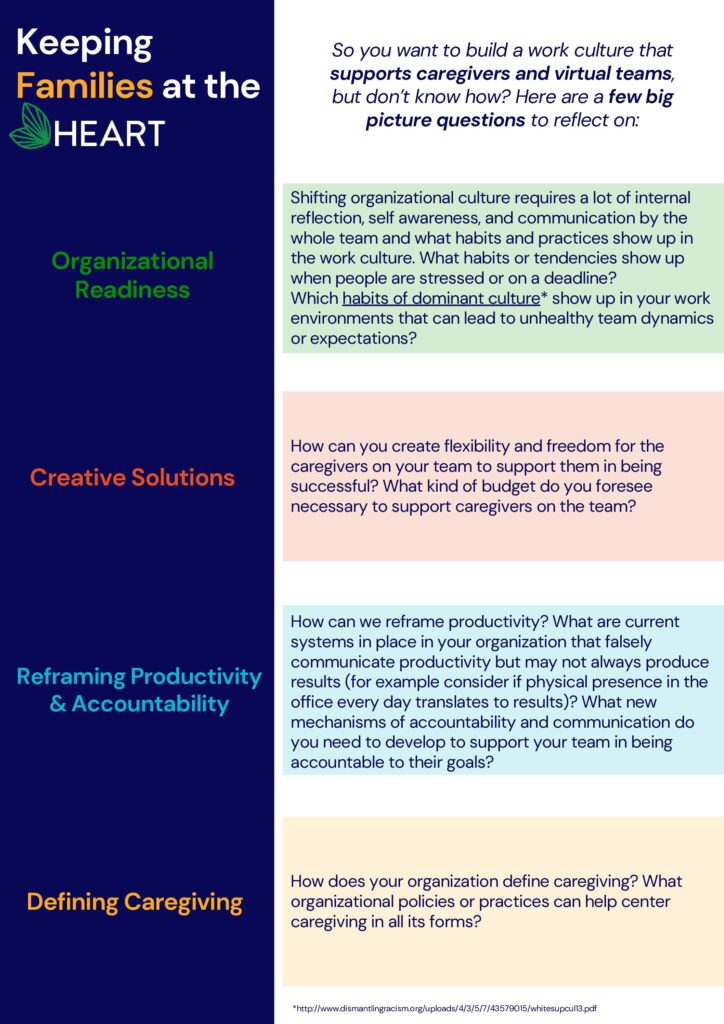
This resource is geared towards organizations working to build a culture that supports caregivers and virtual teams,
but aren't sure where to begin. The following resource providers a few big picture questions to reflect on.
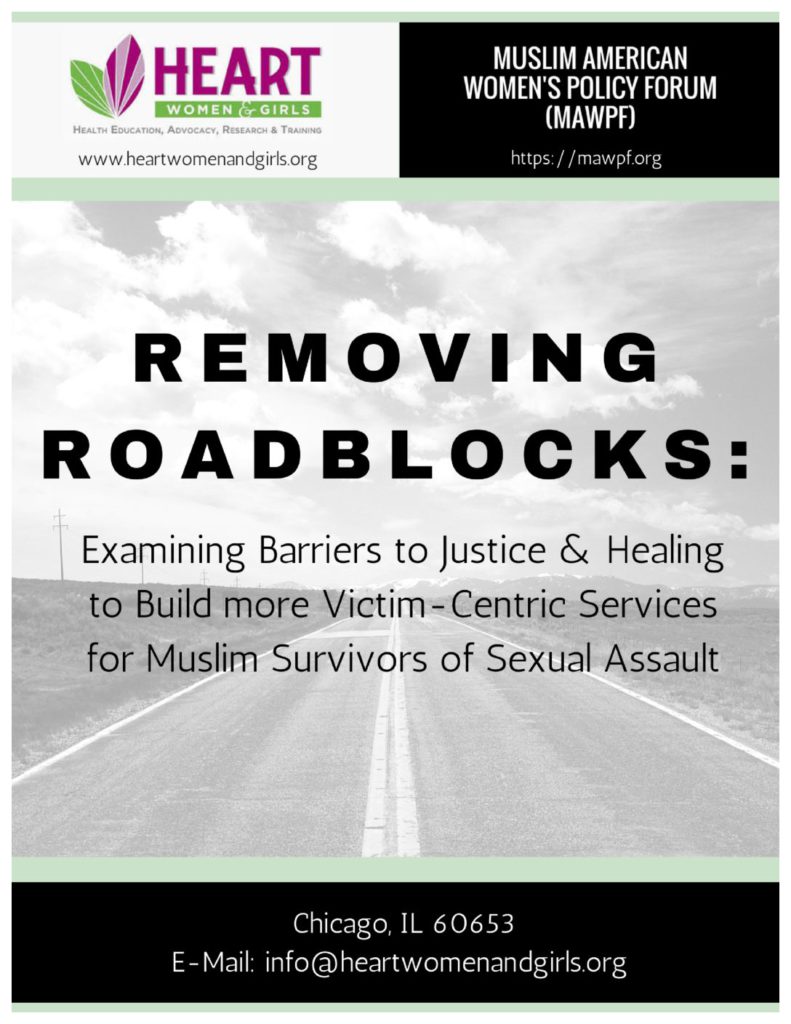
Partnering with the Muslim American Women’s Policy Forum (MAWPF), this white paper provides recommendations for institutional responses to sexual assault based on surveys with direct services providers. While much progress has been made in the greater movement, it is clear that there is still work to be done in order to meet the needs of Muslim survivors. Some recommendations based on our findings include: increasing cultural competency, reducing barriers to reporting, and advocating for more community-based research.
HEART hosted a series of four webinars during Sexual Assault Awareness Month (SAAM) in April 2020. This webinar recording is focused on Islamic perspectives of sexual violence. American Sign Language (ASL) interpretation is available for the duration of the video.
HEART hosted a series of four webinars during Sexual Assault Awareness Month (SAAM in April 2020. This webinar recording focuses on defining sexual violence, its prevalence, and how it manifests in Muslim communities. American Sign Language (ASL) interpretation is available for the duration of the video.